UM InternationalInternational education consultants

Study in Europe

Europe covers very different systems under one word. Germany and Italy offer public universities with low tuition but demanding entry requirements, while Cyprus, Georgia and Turkey often have simpler admissions and English-taught options.

Choosing between European countries

Cost of tuition

Public universities in Germany and Italy can be very affordable. Private universities across Europe charge more but may have easier entry.

Language of teaching

Many bachelor's programs in Europe are taught in the local language. English-taught options are more common at master's level.

Visa and funds

Each country has its own national student visa and proof-of-funds rules, even within the Schengen area.

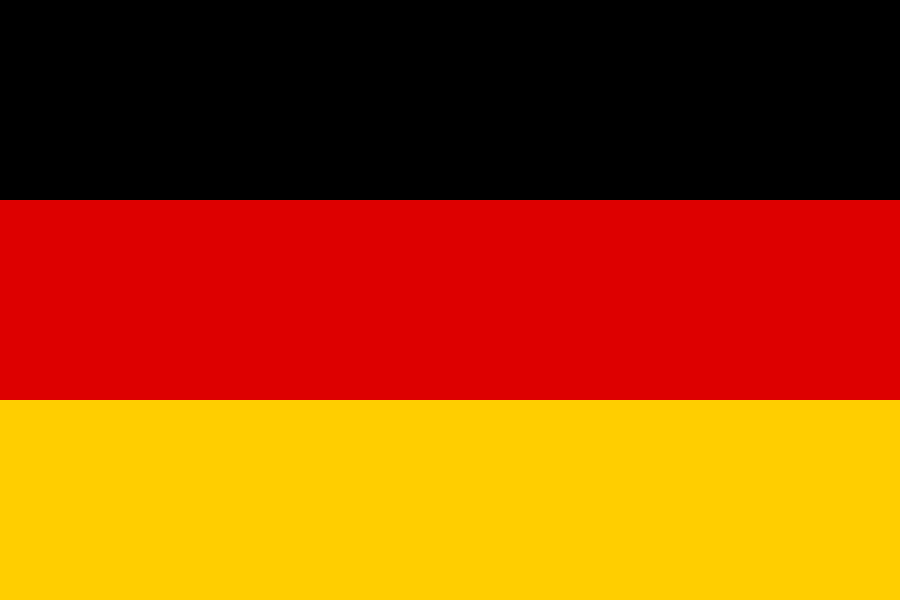
Germany

Public universities with low or no tuition, strong in engineering and technology. Master's programs are often taught in English.

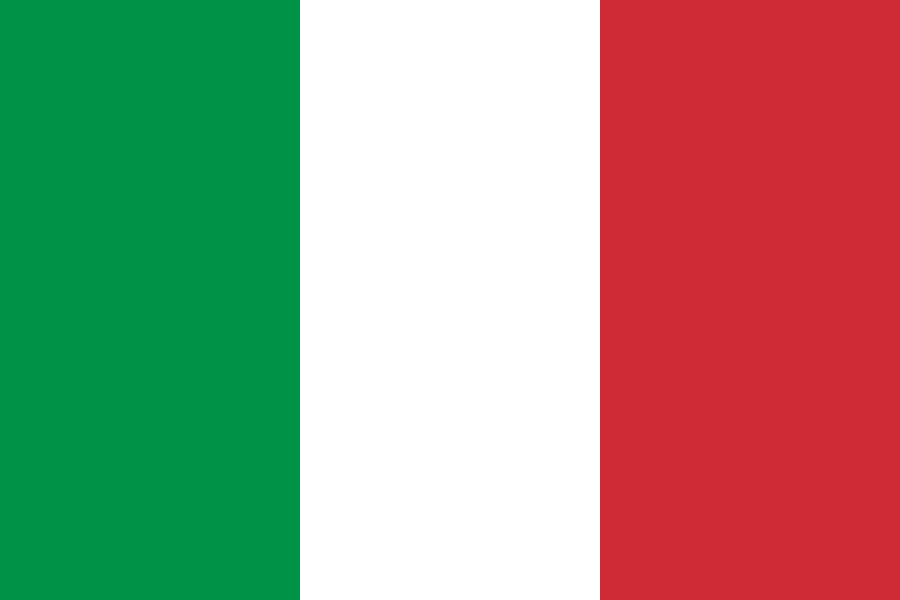
Italy

Income-based tuition and regional scholarships, with English-taught master's and selected bachelor's programs.

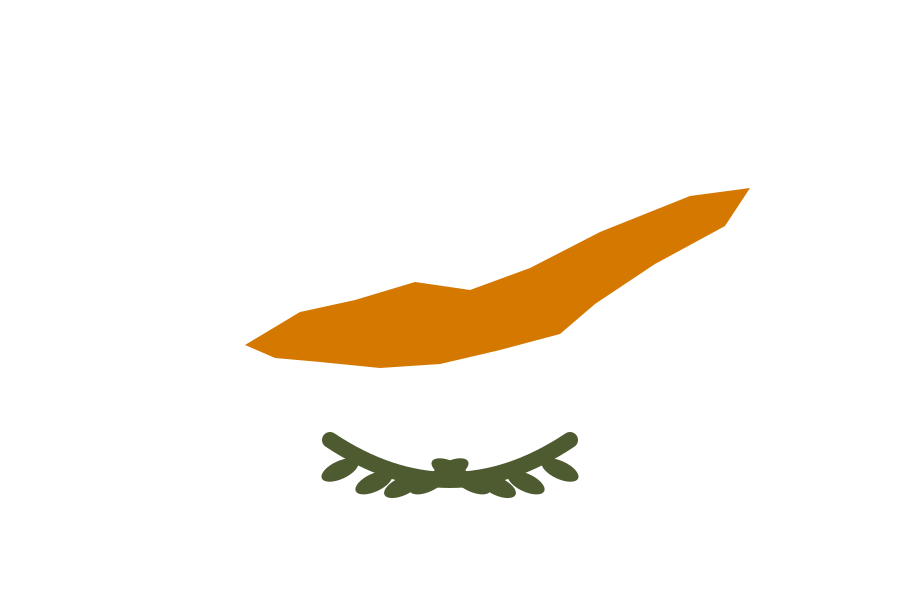
Cyprus

English-taught degrees with simpler admission. Recognition depends on where on the island the university is.

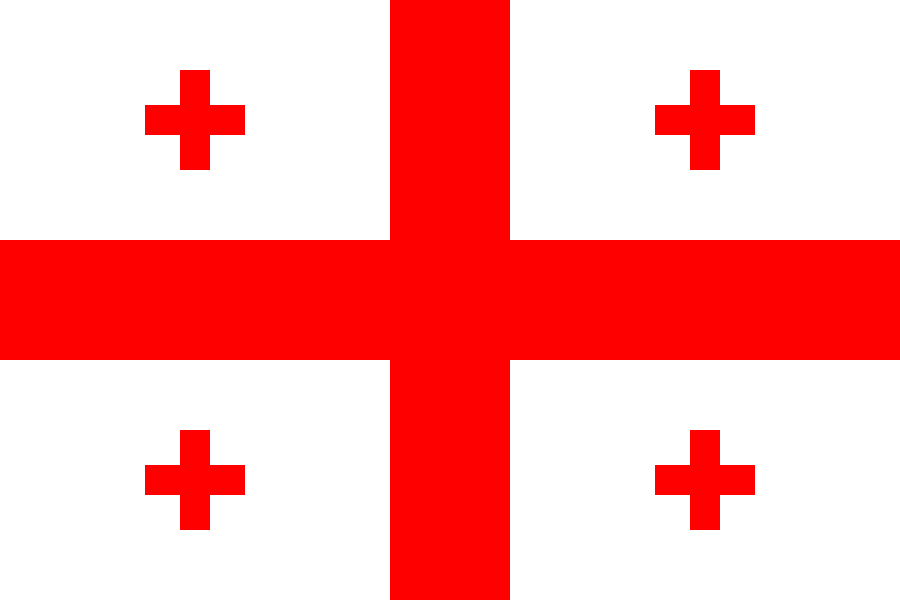
Georgia and Turkey

English-taught options, including medicine, with admission processes that are easier than in much of Western Europe.

Costs to plan for

  • Tuition, from very low at German and Italian public universities to higher at private universities
  • Proof of funds for the visa, such as a blocked account for Germany
  • Health insurance, accommodation deposits and residence permit fees
  • Translation and attestation of documents

Destinations we cover

Open a country page for requirements and how applications work there.

Visa rules, fees and post-study work options change often. We confirm the current rules with you at the time of application rather than relying on figures published online.

How the application works

The same six stages for every destination, with UM handling the paperwork alongside you.

Full admissions process
  1. Consultation

    We review your academic record, budget and goals, and explain which countries and universities realistically fit.

  2. University and program choice

    You receive a shortlist with confirmed entry requirements, teaching medium, fees and recognition status.

  3. Documents

    We give you a checklist and review every document: certificates, passport, medical report, police certificate and photographs.

  4. Application and admission

    We submit the application to the university and follow it through to the admission letter and any required forms.

  5. Visa

    We prepare the visa file with you and brief you on the embassy process and interview if one is required.

  6. Departure and arrival

    Pre-departure briefing, travel planning, airport arrival and registration support on campus.

Questions about Study in Europe

Which European country is cheapest to study in?

Public universities in Germany and Italy usually have the lowest tuition, but living costs, language requirements and admission competition vary. We compare total cost, not just tuition.

Do I need a Schengen visa to study?

Long-term study usually needs a national student visa from the country where you will study, not a short-stay Schengen visa.

Can I study in English in Europe?

Yes, especially at master's level. Bachelor's programs in English are more limited in Germany and Italy and more common in Cyprus, Georgia and Turkey.

Can I work while studying in Europe?

Most countries allow limited part-time work for students. Hours and conditions differ by country.

Talk to us about Study in Europe

Share your marks and plans. We will tell you honestly which universities and countries fit, and what the process involves.

WhatsApp us